

New Covenant, New Attitudes
Introduction
The author of the first reading interprets God’s intervention in history as a free option for progress. Jocob, the farmer and shepherd, though younger, is preferred over the culturally inferior hunter, Esau, notwithstanding the latter’s vested birthright position. God often chooses the younger (Joseph, David, Solomon), the one who can break with established situations and rights, above those who try to monopolize God and his authority.
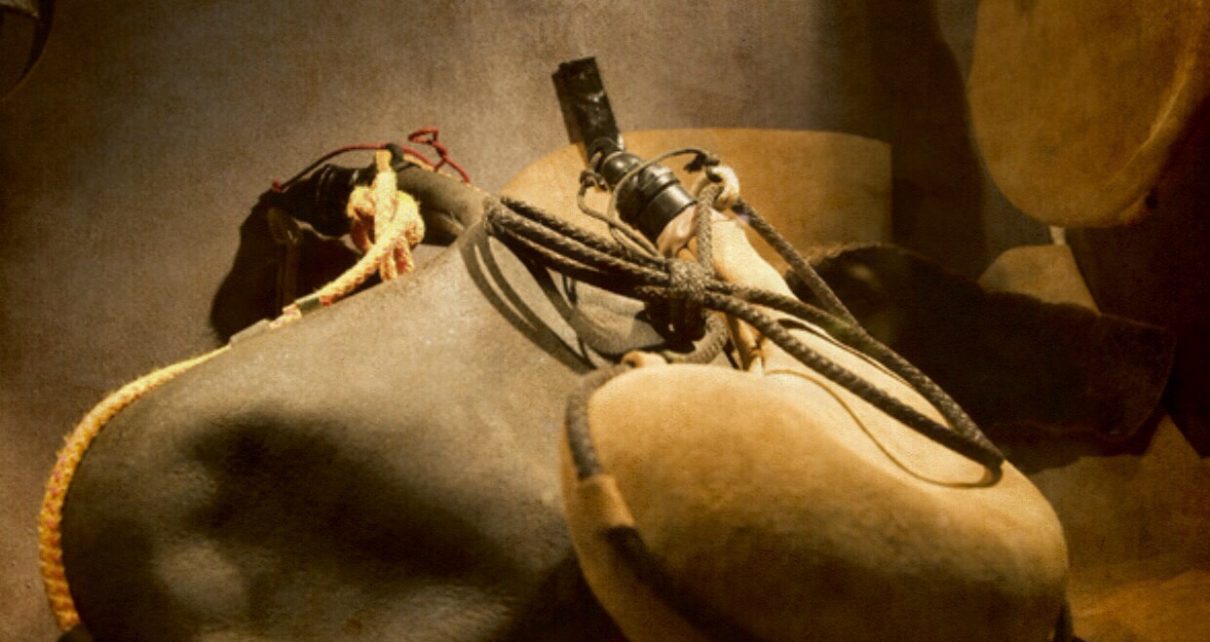
Can we be people of compromise? To settle disagreement and make peace, to solve disputed matters and to become at least tolerant of one another, yes. But not with the gospel. Not when it comes to the renewal of life, whether personal or communal, that is constantly asked of us. Jesus tells his disciples and us, who are living in messianic times, that we are new, liberated people: we cannot compromise with salvation, with our faith, with the gospel. Young wine belongs to new wineskins. New times require new attitudes.
1 Reading: Gen 27:1-5, 15-29
When Isaac was so old that his eyesight had failed him, he called his older son Esau and said to him, “Son!” “Yes father!” he replied. Isaac then said, “As you can see, I am so old that I may now die at any time. Take your gear, therefore–your quiver and bow– and go out into the country to hunt some game for me. With your catch prepare an appetizing dish for me, such as I like, and bring it to me to eat, so that I may give you my special blessing before I die.” Rebekah had been listening while Isaac was speaking to his son Esau. So, when Esau went out into the country to hunt some game for his father, Rebekah [then] took the best clothes of her older son Esau that she had in the house, and gave them to her younger son Jacob to wear; and with the skins of the kids she covered up his hands and the hairless parts of his neck. Then she handed her son Jacob the appetizing dish and the bread she had prepared. Bringing them to his father, Jacob said, “Father!” “Yes?” replied Isaac. “Which of my sons are you?” Jacob answered his father: “I am Esau, your first-born. I did as you told me. Please sit up and eat some of my game, so that you may give me your special blessing.” But Isaac asked, “How did you succeed so quickly, son?” He answered, “The LORD, your God, let things turn out well with me.” Isaac then said to Jacob, “Come closer, son, that I may feel you, to learn whether you really are my son Esau or not.” So Jacob moved up closer to his father. When Isaac felt him, he said, “Although the voice is Jacob’s, the hands are Esau’s.” (He failed to identify him because his hands were hairy, like those of his brother Esau; so in the end he gave him his blessing.) Again he asked Jacob, “Are you really my son Esau?” “Certainly,” Jacob replied. Then Isaac said, “Serve me your game, son, that I may eat of it and then give you my blessing.” Jacob served it to him, and Isaac ate; he brought him wine, and he drank. Finally his father Isaac said to Jacob, “Come closer, son, and kiss me.” As Jacob went up and kissed him, Isaac smelled the fragrance of his clothes. With that, he blessed him saying, “Ah, the fragrance of my son is like the fragrance of a field that the LORD has blessed! “May God give to you of the dew of the heavens And of the fertility of the earth abundance of grain and wine. “Let peoples serve you, and nations pay you homage; Be master of your brothers, and may your mother’s sons bow down to you. Cursed be those who curse you, and blessed be those who bless you.”
Responsorial Psalm: Ps 135:1b-2, 3-4, 5-6
R. (3a) Praise the Lord for the Lord is good! or: R. Alleluia.
Praise the name of the LORD;
Praise, you servants of the LORD
Who stand in the house of the LORD,
in the courts of the house of our God. R.
Praise the LORD, for the LORD is good;
sing praise to his name, which we love;
For the LORD has chosen Jacob for himself,
Israel for his own possession. R.
For I know that the LORD is great;
our LORD is greater than all gods.
All that the LORD wills he does
in heaven and on earth,
in the seas and in all the deeps. R.
Alleluia: John 10:27
R. Alleluia, alleluia.
My sheep hear my voice, says the Lord;
I know them, and they follow me.
R. Alleluia, alleluia.
Gospel: Matthew 9:9-13
The disciples of John approached Jesus and said, “Why do we and the Pharisees fast much, but your disciples do not fast?” Jesus answered them, “Can the wedding guests mourn as long as the bridegroom is with them? The days will come when the bridegroom is taken away from them, and then they will fast. No one patches an old cloak with a piece of unshrunken cloth, for its fullness pulls away from the cloak and the tear gets worse. People do not put new wine into old wineskins. Otherwise the skins burst, the wine spills out, and the skins are ruined. Rather, they pour new wine into fresh wineskins, and both are preserved.”
Commentary
There is no doubt that the ruse devised by Rebekah to see that Jacob receives the all-important paternal blessing was deceptive. Although he raises some questions himself, the failing Isaac is duped into thinking that the blessing goes to Esau, but he is mistaken. The blessing once given could not be revoked. Jacob is told that he will be the first among his brothers and eventually a focal point for many nations.
In the Gospel today John’s disciples ask Jesus why he does not fast when the disciples of John and the Pharisees do. Jesus answers in terms of the eschatological wedding feast of God and his people. During this celebration in the days of Christ’s ministry, fasting is inappropriate. Moreover, a new era calls for new measures; there is no sense in putting new wine into old wineskins.
In what would seem to be a later addition of the early church, it is stated that with the bridegroom’s departure, forms of fasting will again be observed. It should be noted that there is a distinctly new asceticism present in Jesus’ teaching, one that goes beyond fasting. This is summarized for us in the Sermon on the Mount. To live that teaching is the highest form of asceticism and takes precedence over any form of penitential practice.
Blessing
We are God’s new people, the people of the new covenant. So we must live the new life of Jesus and do all we can to make our world new in justice and love and compassion. May God give you this insight and the strength to carry it out: the Father, and the Son, and the Holy Spirit. Amen!